
Leadership Sensemaking for High-Risk Organizations
Learning that reflects how safety actually happens
Workshops are often treated as a way to transmit knowledge or reinforce policy. In high-risk environments, that is rarely sufficient when leaders need to make decisions under uncertainty and operational pressure.
These workshops are designed to help leadership teams examine how safety, risk, and performance are actually shaped in practice—through everyday decisions, communication patterns, and tradeoffs that are often invisible in formal systems.
Rather than focusing on training or information delivery, these sessions create structured space for leaders to surface assumptions, align perspectives, and strengthen shared understanding of operational reality.
The outcome is improved leadership alignment around how work is really being done, and what that means for decision-making in complex environments.

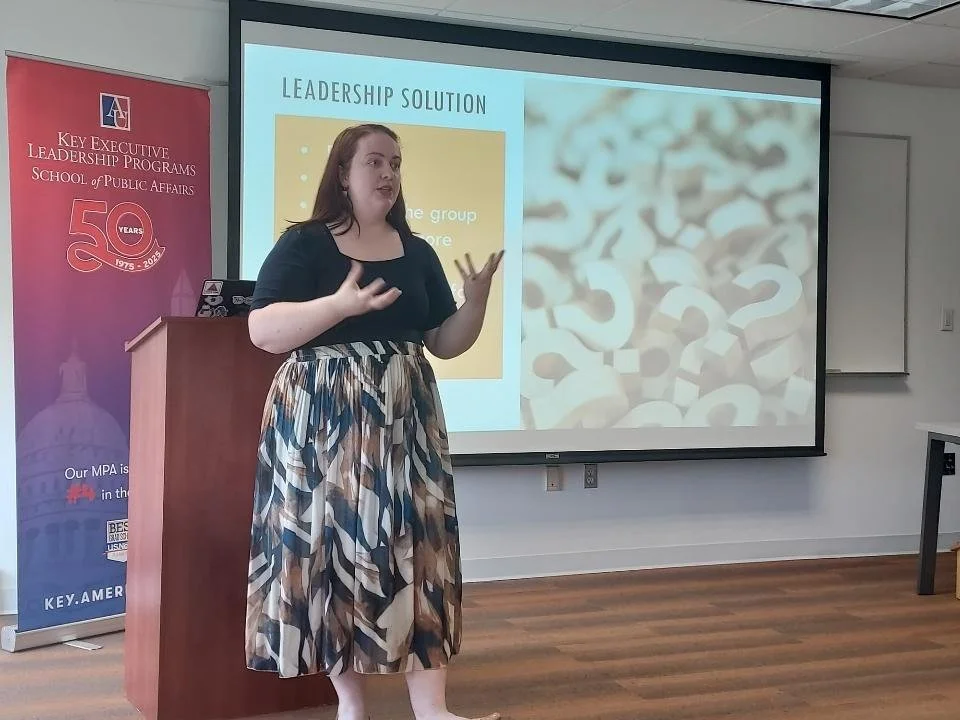
How Our Workshops are Designed
What makes these workshops different
Across all topics, workshops share a common design philosophy:
Grounded in operational reality
Sessions are anchored in how work is actually performed—not theoretical scenarios or abstract models.Facilitated, not instructional
The goal is not to deliver content, but to surface insights that improve leadership understanding and decision-making.Structured for honest dialogue
Designed to support candor so that important operational realities can be surfaced and examined without defensiveness.Focused and time-bounded
Typically, half-day engagements, designed to fit within operational constraints while still enabling meaningful leadership alignment.
Core Workshops
-
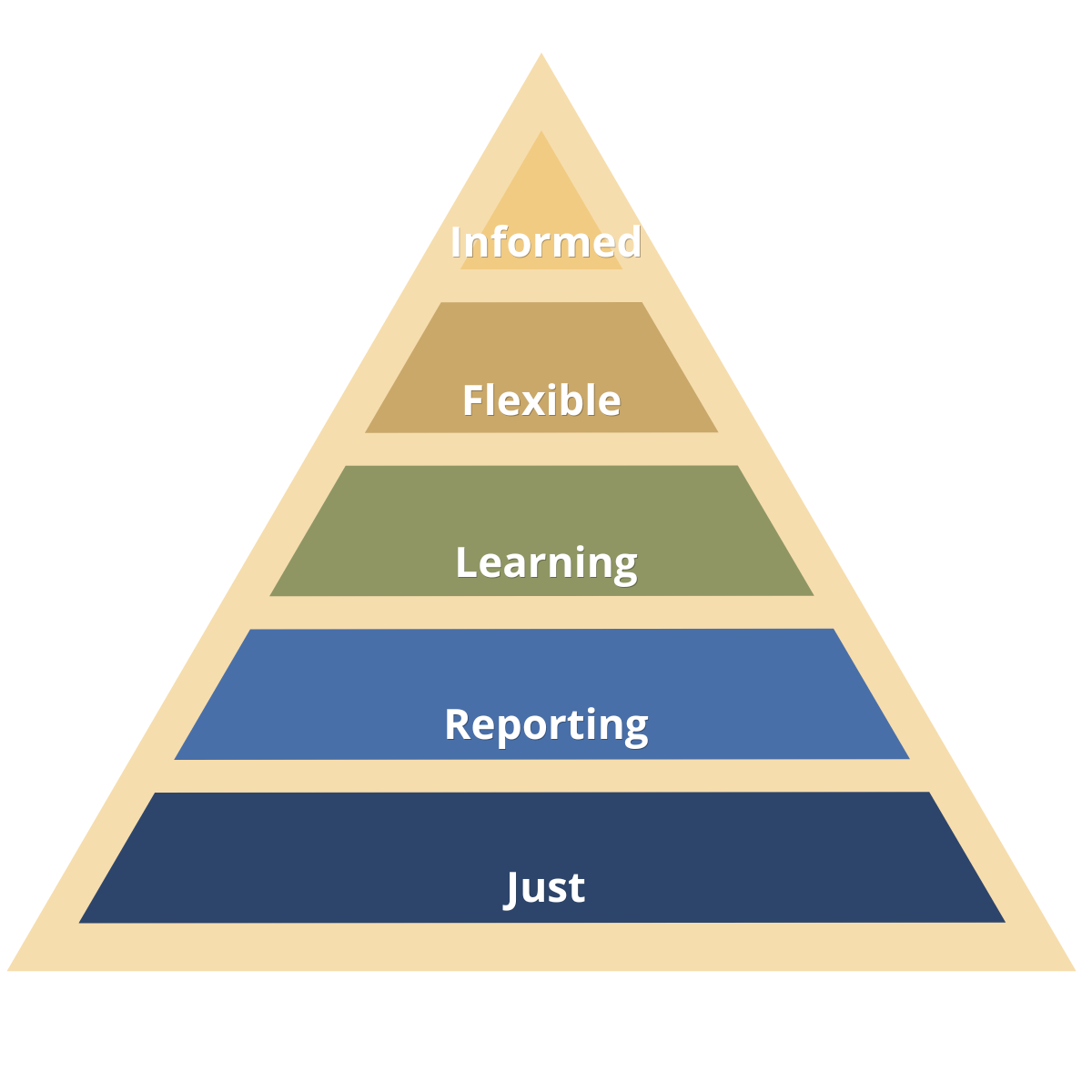
![A pyramid chart with five labeled sections from bottom to top: Just, Reporting, Learning, Flexible, Informed.]()
Safety Culture Foundations
For leaders and teams seeking a shared, grounded understanding of safety culture.
This workshop introduces a practical way of thinking about safety culture as something that emerges from systems, incentives, and everyday decisions — not slogans or checklists.
Participants explore:
How safety is actually produced in complex systems
The difference between formal expectations and lived practice
Where risk is absorbed, normalized, or obscured
Why well‑intentioned systems can produce unintended outcomes
-
![Close-up of a bronze statue of Lady Justice holding scales in her left hand, with a blindfold covering her eyes, symbolizing impartiality.]()
Leading a Just Culture
For leaders navigating accountability, learning, and trust after incidents or near‑misses.
This session supports leaders in examining how accountability is enacted in practice — and how responses to failure shape reporting, learning, and behavior over time.
Rather than applying a formula, the workshop focuses on:
Understanding tradeoffs leaders face when responding to events
Distinguishing blame, accountability, and learning in real contexts
Recognizing how past responses shape current silence or candor
Practicing leadership responses that support both responsibility and learning
-
![Traffic sign with a black silhouette of a walking person. The word 'TRUST' is placed over the person's head.]()
Psychological Safety for Leaders
For leaders responsible for creating conditions where people can speak up.
Psychological safety is often discussed abstractly. This workshop keeps it concrete and operational.
Leaders explore:
What psychological safety looks like in real, pressured environments
How leadership behavior — often unintentionally — shapes silence or voice
The limits of policy‑based or slogan‑based approaches
What leaders can do differently in everyday interactions
-
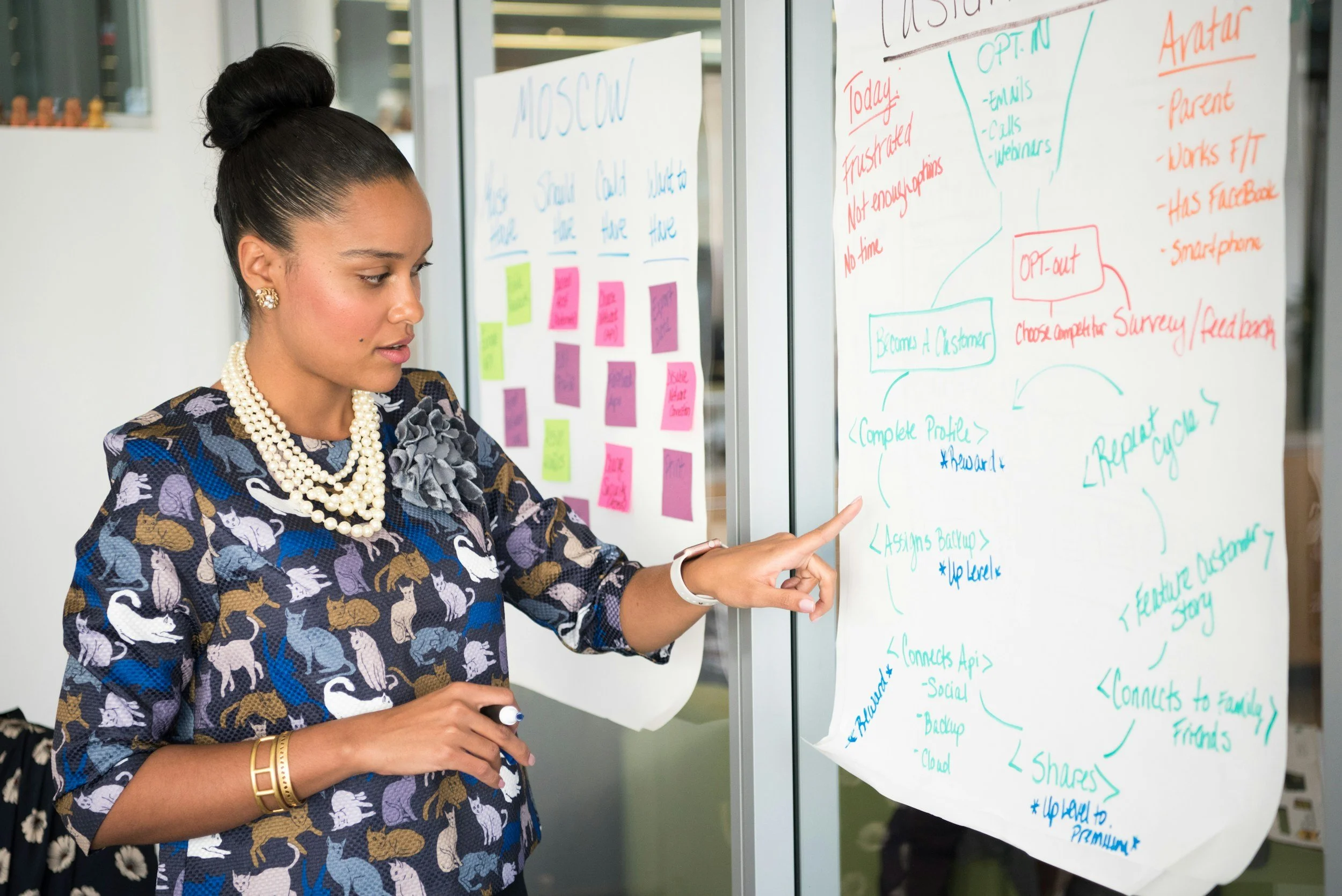
![A woman with black hair styled in a bun, wearing a patterned dress with swans, pearl jewelry, and gold bracelets, is pointing at notes on a large whiteboard with colorful writing and sticky notes.]()
Leadership Listening Lab
For leaders who want to strengthen their ability to hear what is usually unsaid.
This is a practical, reflective session focused on how leaders listen — and what their listening signals to others.
Participants work with real examples to examine:
How power and hierarchy affect what people say
Common listening traps in high‑stakes environments
The difference between listening to fix and listening to understand
Practical ways leaders can invite insight without creating risk for others
-
![A team of rowers in a boat racing across the water, with a person standing at the stern steering, during daytime with bright sunlight.]()
Team Communication & Coordination
For teams operating in dynamic, interdependent, or time‑pressured environments.
This workshop focuses on how communication and coordination actually function when work is complex and risk matters.
Topics include:
How teams adapt work in the face of competing demands
Where coordination breaks down — and why
The role of informal practices in maintaining safety
Strengthening shared understanding without adding friction
-
![A woman with glasses interacts with a touchscreen computer displaying data visualizations, with digital icons and network lines overlayed.]()
Custom Facilitation
Tailored support for retreats, offsites, and leadership forums
In addition to the workshops above, I provide custom facilitation for:
Leadership retreats and offsites
Organizational sensemaking sessions
Team‑building in high‑risk contexts
Cross‑functional or multi‑stakeholder forums
Custom sessions are designed in close collaboration with the client and may draw on organizational listening, prior engagement insight, or specific challenges the organization is navigating.


How Workshops Work with Soteria Insight
Workshops are typically designed as half-day engagements (3–4 hours), with the option to extend to a full day when deeper exploration or leadership alignment is needed.
Sessions may be tailored for senior leadership teams, operational managers, frontline groups, or cross-functional groups depending on the organizational context and objectives.
For high-risk environments, in-person facilitation is preferred to support richer dialogue and more accurate understanding of operational context. Virtual delivery is available when appropriate.
Light customization is included in every engagement; deeper design work is scoped collaboratively based on organizational needs.
Organizations often use workshops as either:
• A standalone intervention to align leadership understanding
• Or as part of a broader organizational listening engagement to surface and interpret operational reality
In both cases, the goal is the same: improving how leaders understand and respond to the conditions shaping safety and performance in complex environments.

Get in touch
For leaders looking to understand how everyday work and decisions are shaping safety outcomes, I welcome a conversation.