
See what safety metrics and surveys miss
We help leaders in high-risk organizations understand the operational realities, organizational dynamics, and emerging risks that formal reporting systems often miss—so they can make better decisions before uncertainty becomes operational risk.
-
We partner with leaders responsible for safety, risk, and operational performance in high-risk organizations where the consequences of hidden risk are significant.
Our work is particularly valuable when:
Safety decisions depend on understanding work as it is actually performed—not just how it is documented.
Leaders need insight beyond audits, dashboards, and employee surveys.
Communication, trust, or reporting barriers may be limiting organizational learning.
Emerging concerns aren't fully explained by existing metrics.
Leadership teams want greater confidence in the decisions they make about safety and operational performance.
Industries include aviation, transportation, utilities, infrastructure, manufacturing, and other safety-critical environments.
-
The information leaders need to improve safety and manage risk is often already present within the organization—but it rarely reaches decision-makers in a form they can act on.
Through workforce insight and leadership engagement, we help organizations reveal operational realities, interpret what those insights mean, and translate them into better decisions.
Rather than relying solely on metrics or compliance data, we examine how work is actually experienced, where important tradeoffs occur, and which signals may be hidden by formal reporting systems.
The result is greater visibility, stronger leadership alignment, and better-informed decisions about safety, risk, and operational performance.
-
Safety is shaped by thousands of everyday decisions made across an organization—not just by policies, procedures, or metrics.
Drawing on experience in aviation regulation, public transportation operations, and organizational listening, we help leaders understand the realities influencing those decisions.
Soteria Insight is a founder-led advisory practice. Claire Young leads every engagement personally, bringing together expertise in safety, qualitative research, and executive facilitation to help organizations uncover what formal reporting systems often miss.
You may have more visibility than ever—and still be missing the most important signals.
Reporting systems tell you what happened. They rarely explain why it happened—or what leaders should do next.
People stop raising concerns.
Near misses never get reported.
Survey comments lack context.
Operational tradeoffs remain invisible.
Leadership assumptions drift from frontline reality.

Organizations rarely lack data. They lack visibility.
Safety metrics, audits, and surveys are essential—but they only show part of the picture.
The factors that shape safety and operational performance are often visible long before they appear in formal reporting systems. They exist in everyday work, operational tradeoffs, communication patterns, and the decisions people make to keep work moving.
Our philosophy is simple:
Better decisions require better visibility.
That's why we help leaders understand not only what is happening—but why it is happening, what it means, and where action will have the greatest impact.
How we help
See
Surface the operational realities, workforce experiences, and weak signals that formal reporting systems often miss.
Understand
Identify patterns, risks, and opportunities that help explain why current safety outcomes make sense.
Decide
Equip leaders with the insight and alignment needed to make better decisions
How Organizations Work With Us
Every engagement starts with a different question.
Some organizations need to understand what their workforce is truly experiencing.
Others need to align leadership before tackling deep organizational challenges and change.
We tailor engagements to where you are today—but they generally fall into two categories.
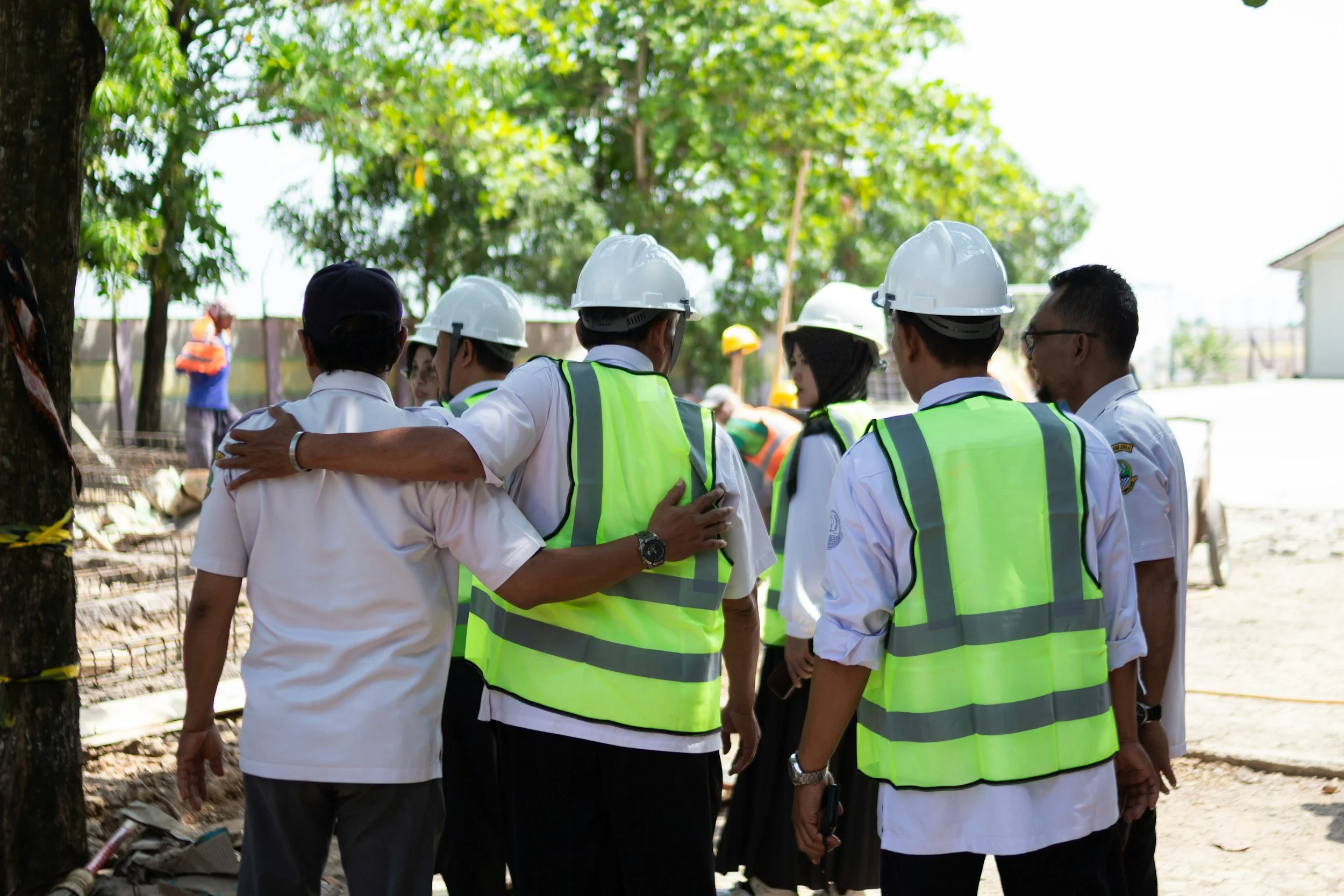
Workforce Insight helps leaders uncover the operational realities, safety culture dynamics, and emerging risks that are difficult to detect through metrics alone.
Outcome: A clearer understanding of the conditions shaping safety and performance.
Workforce Insight
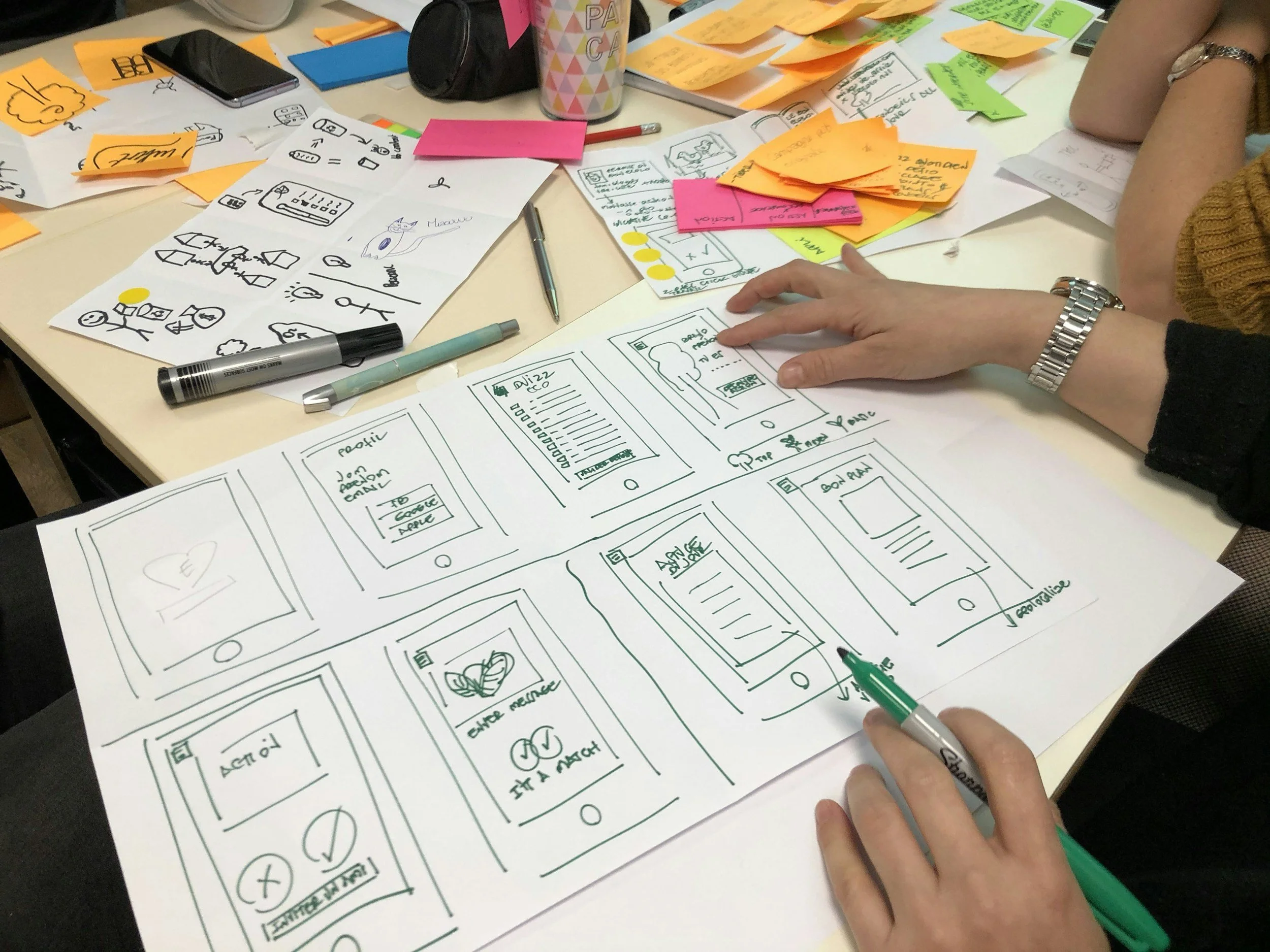
Turn insight into better decisions.
Engagements help leadership teams examine assumptions, build shared understanding, and make more informed decisions about safety, risk, and operational performance.
Outcome: Stronger alignment, clearer priorities, and greater confidence in decision-making.
Leadership Alignment
Leaders suspect they are not seeing the full picture.
Existing metrics explain outcomes, but not the conditions creating them.
Workforce feedback raises questions that dashboards can’t answer.
Safety performance depends on understanding operational reality, not assumptions.
Leadership teams need an independent perspective before deciding what comes next.
Organizations come to us when they need greater visibility.

Better decisions start with better visibility.
Whether you're responding to emerging risks, strengthening your safety culture, or trying to understand what your reporting systems can't tell you, we'd welcome a conversation about where you are today—and where greater visibility could make the biggest difference.