
See what formal reporting systems can't explain.
Workforce Insight helps leaders uncover the operational realities, organizational dynamics, and emerging risks that formal systems often miss—creating a clearer understanding of how safety and operational performance are actually being shaped.
Modern organizations have extensive safety metrics, reporting systems, and compliance data.
What they often lack is a clear understanding of how work is actually experienced—and what that means for safety, risk, and operational performance.
Organizations gain:
Greater visibility into operational reality
An accurate understanding of emerging risk
Better-informed leadership decisions
The conditions shaping tomorrow's safety outcomes already exist inside your organization. The challenge isn't finding more data—it's seeing those conditions clearly enough to act.
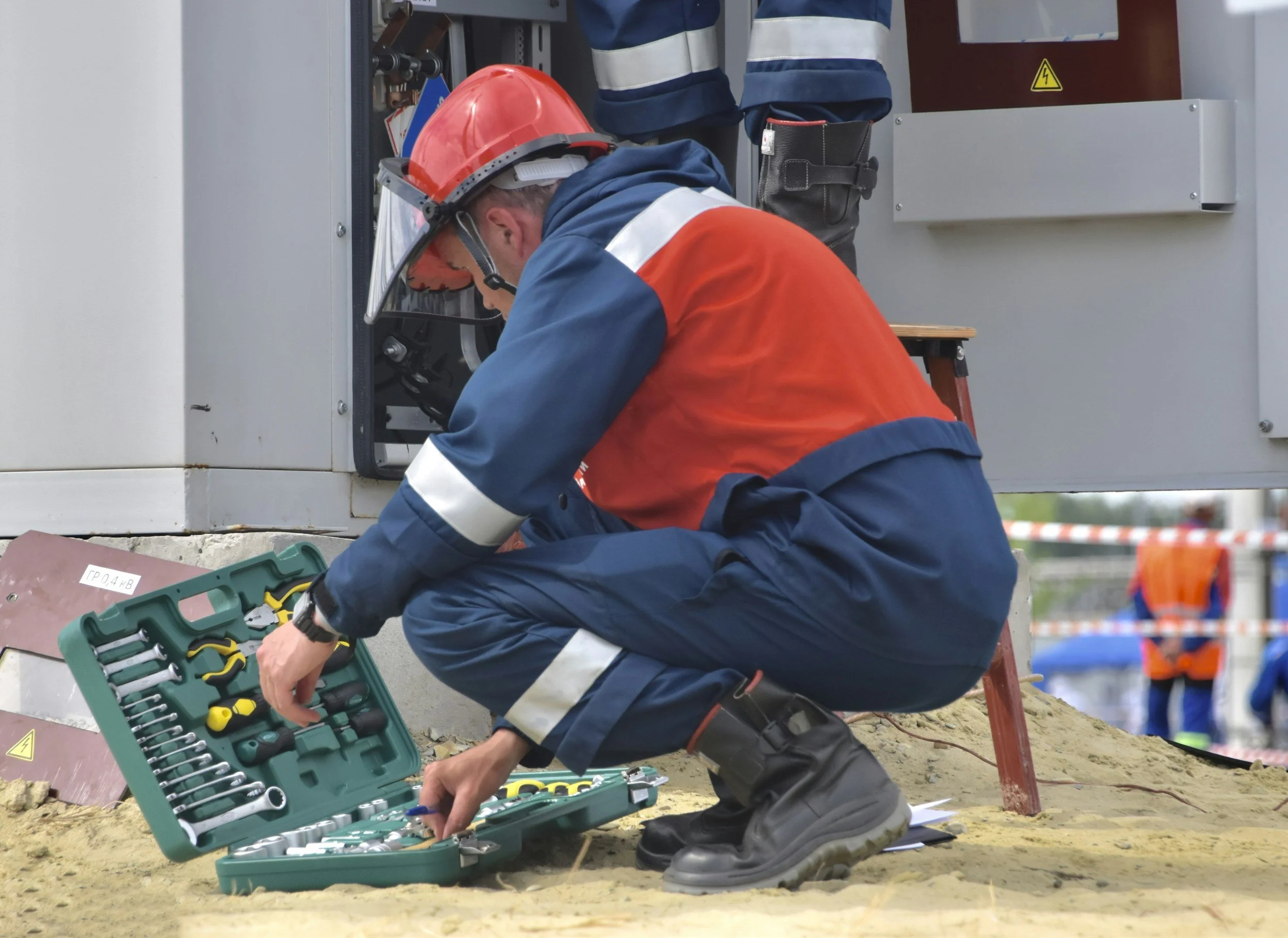
Why Leaders Lose Visibility Into Reality

Most organizations don't suffer from a lack of information.
They struggle to distinguish meaningful signals from routine reporting.
Over time, leaders lose visibility because:
Information is filtered as it moves through the organization.
Silence is mistaken for stability.
Metrics describe outcomes, not operating conditions.
Policies and procedures cannot fully capture the adaptations people make to get work done safely and effectively.
What Workforce Insight makes visible
Your team has extensive data, dashboards, reporting systems, and compliance metrics. What they often lack is an understanding of the cultural and operational dynamics shaping those numbers.
Workforce insight makes visible:
• Where leadership intent and operational reality diverge
• The real-world pressures influencing decision-making on the front line
• How trust, communication, and reporting behavior affect risk visibility
• How work is actually coordinated under operational constraints
• Early indicators of emerging risk that do not yet appear in formal systems
These insights help leaders understand not just what is happening—but why it is happening, and what it means for future decisions.
The Soteria Workforce Insight Loop
The Workforce Insight Loop transforms operational reality into executive understanding through three connected stages.
Reveal
Surface operational reality.
↓
Interpret
Develop organizational understanding.
↓
Align
Turn shared understanding into informed action.

Reveal
1.
Operational Discovery
We engage directly with people in their operational context to understand how decisions are made, how pressures are managed, and how work is coordinated in practice.
This phase may include:
Ethnographic interviews
Site visits and job shadowing
Observation of handovers, briefings, and routines
Light review of relevant documents and artifacts

Interpret
2.
Pattern Analysis & Culture Mapping
We identify patterns across roles, sites, and organizational levels to understand where operational reality diverges from expectations, policy, or leadership intent.
This phase may include:
Pattern coding across key cultural layers
Identification of cross‑cutting themes
A facilitated sensemaking session with mixed‑level participants
Development of a culture map connecting artifacts, values, and underlying assumptions
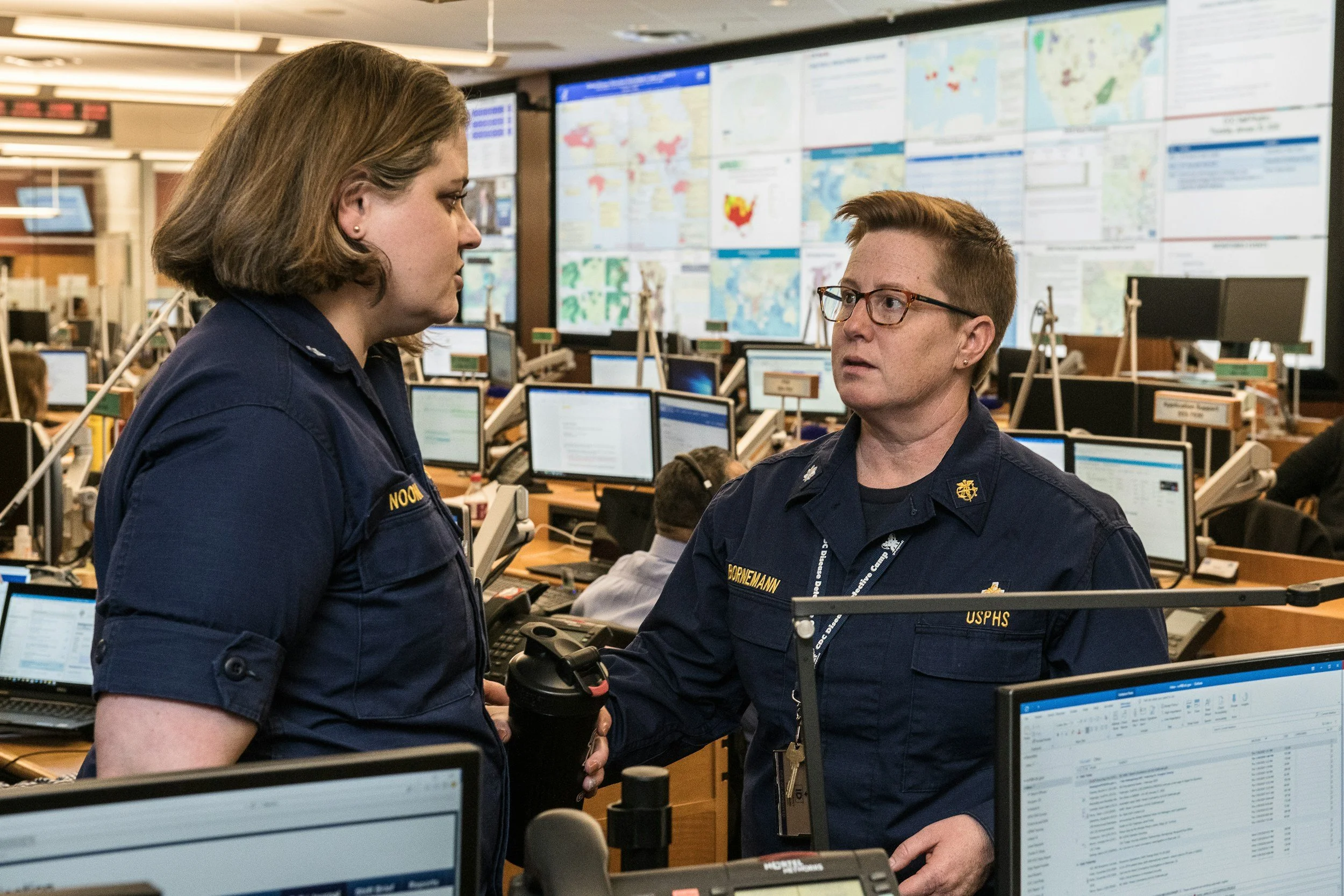
Align
3.
Leadership Alignment & Roadmap
We translate findings into leadership alignment and practical action priorities that improve visibility, decision-making, and operational consistency.
This phase may include:
Leadership alignment workshop
Prioritized, context‑appropriate action roadmap
Optional integration of safety climate survey data
Together, this process provides leaders with a truthful, nuanced picture of their organizational culture—and a grounded path forward.
Workforce Insight Engagements
Engagements are designed based on organizational complexity, scope, and the level of visibility leaders need into operational reality. All scopes of engagements are designed to surface the operational and cultural realities shaping safety, performance, and decision-making across the organization.
Workforce Insight Sprint
Best for: Leaders who need a clearer understanding of what employees are experiencing, how work is actually being performed, and where hidden risk or operational friction may be emerging.
Typical Engagement Includes:
Interviews with leaders and employees
Small-group listening sessions
Review of relevant materials
Analysis and synthesis of findings
Executive briefing and recommendations
Typical Outcomes:
Clearer visibility into operational realities
Improved understanding of trust, communication, and reporting behaviors
Actionable recommendations for leadership
Workforce Insight Assessment
Best for: Organizations facing significant change, recurring challenges, incidents, or questions that require deeper understanding.
Typical Engagement Includes
Expanded interview program
Multiple stakeholder groups
Focus groups and listening sessions
Observation or site visits (as needed)
Executive reporting and roadmap development
Typical Outcomes
Cross-organizational perspective
Deeper understanding of cultural and operational dynamics
Prioritized opportunities for improvement
Optional Add-On: Integrating Safety Climate Survey Data
Many organizations begin with a safety climate survey to understand workforce perceptions and identify areas for further exploration.
While surveys are valuable for highlighting patterns and trends, they rarely explain why those patterns exist or how they relate to everyday operational reality.
As an optional enhancement to any Workforce Insight engagement, we can integrate safety climate survey data into our broader analysis—connecting quantitative results with qualitative insight to provide a more complete understanding of what's shaping safety, communication, and organizational performance.
Rather than treating survey results as an end point, we use them as one source of evidence alongside interviews, observations, and workforce insight to build a more complete understanding of organizational reality. We see quantitative and qualitative insight as complementary. Quantitative data tells you where to look. Qualitative insight helps you understand why it matters. Together, they provide leaders with a richer understanding than either approach can offer alone.
This optional add-on may include:
Survey design, deployment, and analysis (or integration of existing survey data)
Cross-analysis of survey findings with Workforce Insight themes
Executive interpretation and sensemaking session
Recommendations that connect survey findings to practical organizational action

Better decisions begin with greater visibility.
Whether you're responding to emerging risks, questioning what your current metrics are telling you, or seeking a clearer understanding of how work is actually experienced, Workforce Insight provides the visibility needed to make more informed leadership decisions.
I'd welcome a conversation about what greater visibility could look like in your organization.