
Our Services
We help leaders gain greater visibility into organizational reality, develop a clearer understanding of the factors shaping safety and performance, and make better decisions in complex environments.
Our core engagements are built around two complementary services: Workforce Insight and Leadership Alignment.
Workforce Insight
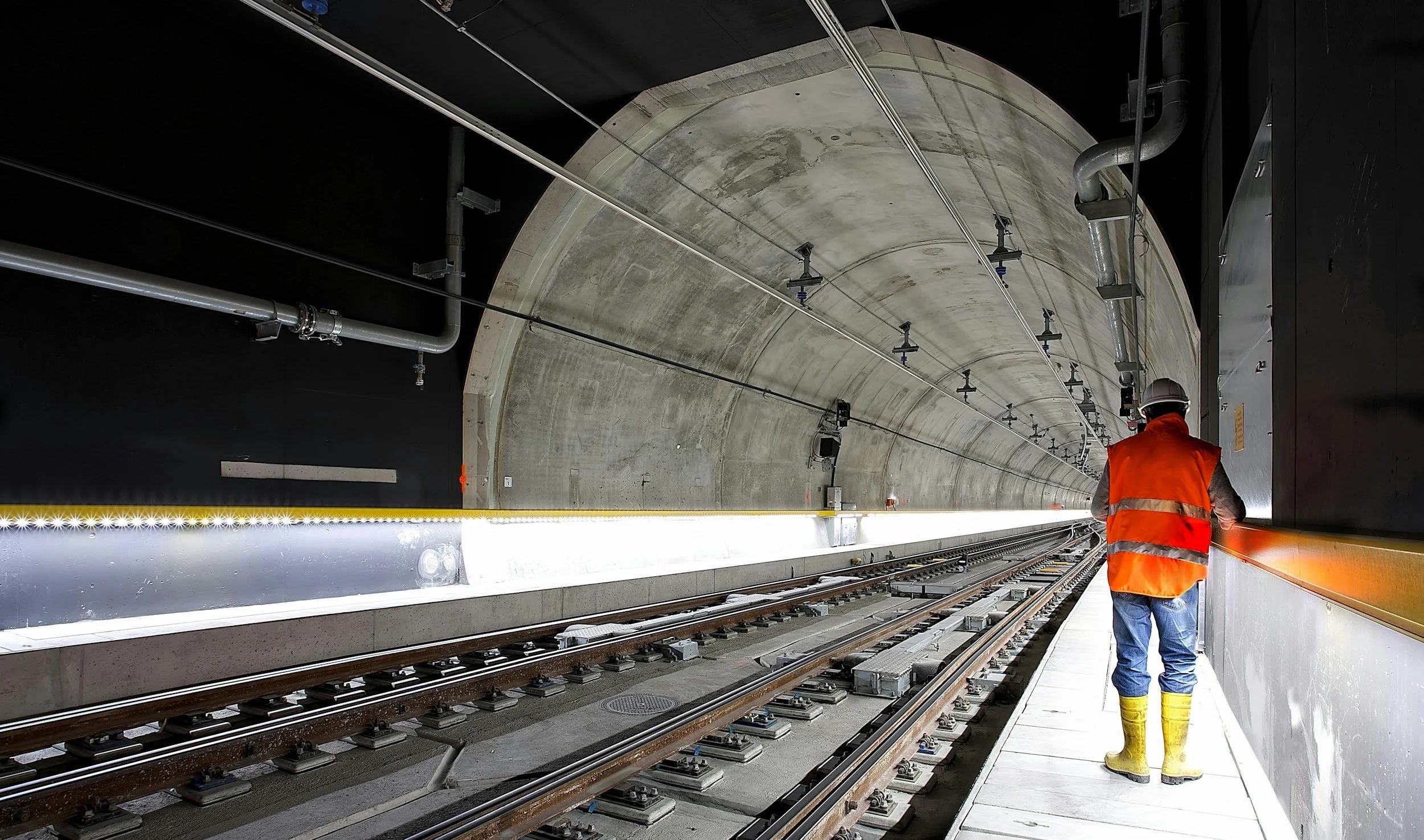
See what formal reporting systems can't explain.
Workforce Insight helps leaders understand the operational realities, organizational dynamics, and emerging risks that formal systems often miss—providing the understanding needed to make better decisions.
Best when you need to:
Understand how work is actually being performed and experienced across your organization.
Explain patterns your metrics alone can't.
Gain an independent view of emerging operational or cultural risks.
Build a stronger evidence base for executive decisions.
Outcome: Greater visibility into operational reality and a clearer understanding of the factors shaping safety and performance.
Leadership Alignment
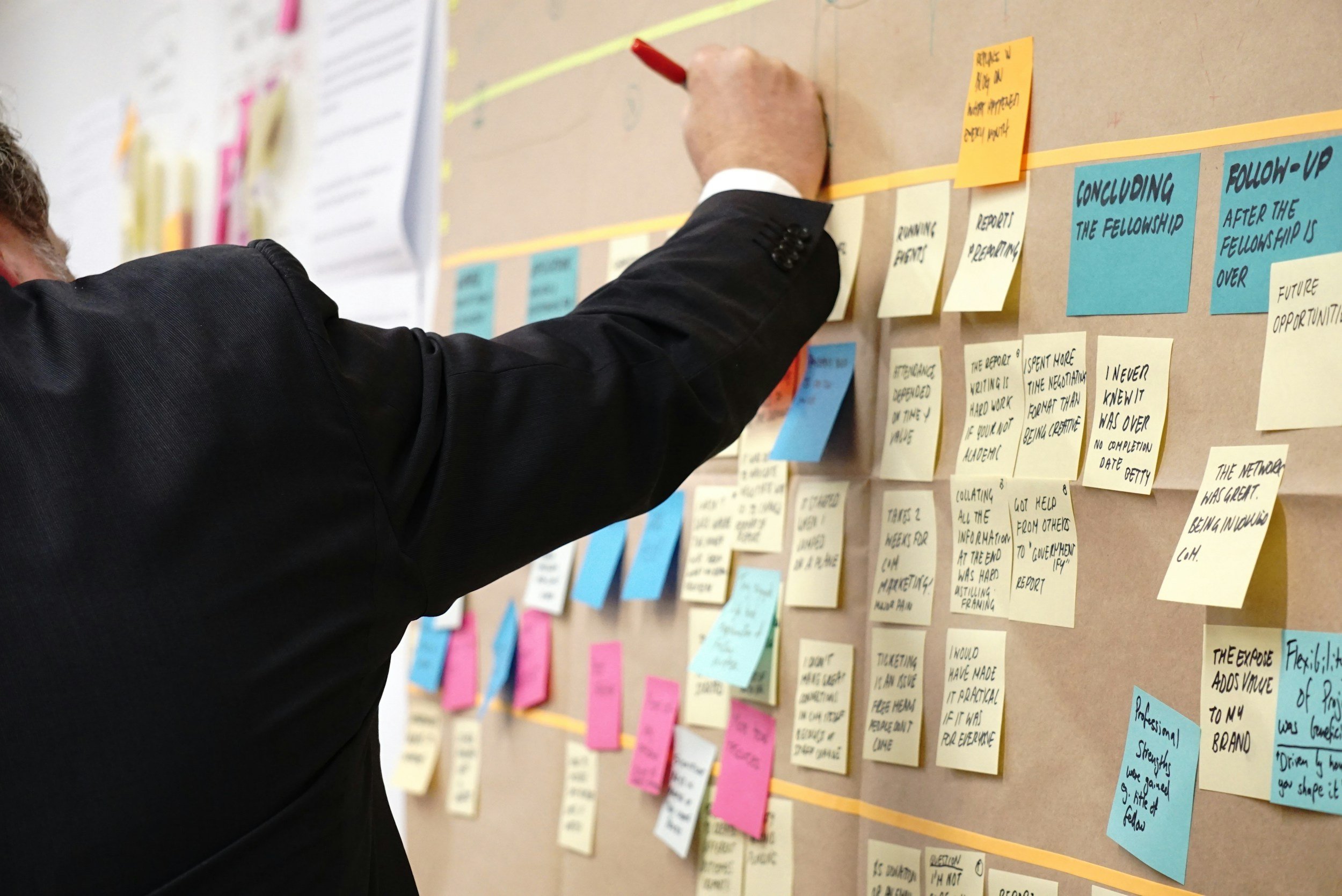
Turn insight into aligned action.
Leadership Alignment helps executive teams build shared understanding, challenge assumptions, and translate insight into more consistent decision-making.
Best when you need to:
Align leaders around a shared understanding of operational reality.
Strengthen decision-making during change or periods of uncertainty.
Build common language around safety, risk, and organizational performance.
Translate insight into leadership priorities and action.
Outcome: Greater alignment, clearer priorities, and stronger leadership decisions.
FAQs
-
Workforce Insight is a structured organizational listening approach that helps leaders understand how work is actually experienced across the organization. By combining interviews, observation, qualitative analysis, and leadership sensemaking, it reveals operational realities, communication patterns, and emerging risks that formal reporting systems often miss.
-
Safety climate surveys identify patterns and perceptions across an organization. Workforce Insight explains why those patterns exist by exploring the operational context, leadership practices, and everyday work shaping those results. Together they provide a more complete understanding than either approach alone.
-
Organizations often engage Workforce Insight when incidents are difficult to explain, reporting systems raise unanswered questions, leadership wants a clearer understanding of operational reality, or significant organizational change creates uncertainty about how work is being experienced.
-
Organizational listening improves safety by helping leaders understand how work is actually performed—not just how it is described in procedures or reflected in metrics. Greater visibility into operational reality allows leaders to identify communication barriers, cultural dynamics, and emerging risks before they become incidents.
-
Organizational listening is a structured approach to understanding how work is experienced across an organization by engaging directly with employees, leaders, and operational teams. In safety-critical environments, it helps leaders identify communication barriers, operational tradeoffs, and emerging risks that may not appear in formal reporting systems.
-
We evaluate safety culture by combining organizational listening, operational observation, qualitative analysis, and leadership workshops. Rather than measuring perceptions alone, we seek to understand how culture influences everyday decisions, communication, and risk management in practice.
-
Safety climate measures perceptions. Safety culture reflects the deeper conditions that shape how safety is understood, prioritized, and practiced across an organization.
Safety climate is typically measured through surveys that capture employee perceptions about topics such as leadership commitment, communication, reporting, trust, and safety practices at a particular point in time.
These measures are valuable because they can identify areas where employees may have concerns or where perceptions differ across groups. However, safety climate data alone does not always explain why those patterns exist or how they connect to everyday operational decisions.
Safety culture is broader. It reflects the underlying values, assumptions, behaviors, systems, and conditions that influence how people make decisions when managing real work—including competing priorities, operational pressures, uncertainty, and risk.
A strong safety culture is not simply one where people report high confidence in safety. It is one where leaders understand the conditions shaping behavior, people feel able to raise concerns, and the organization learns from how work is actually performed.
At Soteria Insight, we view safety climate data as one valuable source of information—not the complete picture. By combining quantitative measures with organizational listening and qualitative insight, leaders gain a clearer understanding of what their data means and what actions are most likely to improve safety performance.
-
Weak signals are early indicators of emerging risk that are often visible in everyday work before they appear in incident reports, audits, or performance metrics. They may include recurring workarounds, communication breakdowns, changes in reporting behavior, or operational adaptations that gradually become normalized.
-
Psychological safety affects safety performance by influencing whether people share the information leaders need to identify risk, learn from experience, and improve operations.
In high-risk environments, safety depends on more than procedures and compliance systems. It depends on whether people are willing to speak up about concerns, report near misses, ask questions, challenge assumptions, and share information about how work is actually being performed.
When psychological safety is weak, important signals can remain hidden:
Employees may hesitate to raise concerns about operational pressures or unsafe conditions.
Near misses and learning opportunities may go unreported.
Leaders may receive incomplete information about risks developing in the field.
Teams may adapt work practices without those adaptations becoming visible to decision-makers.
However, psychological safety is not simply about creating a comfortable workplace or encouraging people to speak up without accountability. In safety-critical organizations, it is about creating the conditions for honest communication, learning, and informed decision-making.
Strong psychological safety helps organizations see reality more clearly. It allows leaders to understand the challenges people face, recognize emerging risks earlier, and make better decisions based on how work is actually being performed.
At Soteria Insight, we examine psychological safety as one part of the broader system of factors influencing safety culture, operational learning, and organizational performance.
-
We primarily support organizations operating in high-risk and safety-critical environments, including aviation, transportation, utilities, infrastructure, and other sectors where operational decisions have significant safety, regulatory, or public consequences.
-
Yes. Leadership Alignment Workshops can be delivered as standalone engagements or alongside Workforce Insight. Some organizations begin with leadership alignment to build shared understanding, while others use workshops to help interpret and act on Workforce Insight findings.
-
Confidentiality is essential to effective organizational listening. Individual interviews and conversations are never attributed to specific participants. Findings are synthesized across themes and patterns, allowing leaders to understand organizational dynamics while protecting individual contributors.
-
Soteria Insight combines experience in aviation regulation, public transportation operations, organizational listening, and leadership facilitation. Rather than focusing solely on compliance, metrics, or surveys, we help leaders gain greater visibility into operational reality so they can make more informed decisions about safety, risk, and organizational performance.